Team
The Circumference of Violence project is led by Border Forensics and funded by the Swiss National Science Foundation. The research team brings together legal scholars, spatial investigators, and civil society practitioners working across the case study regions.
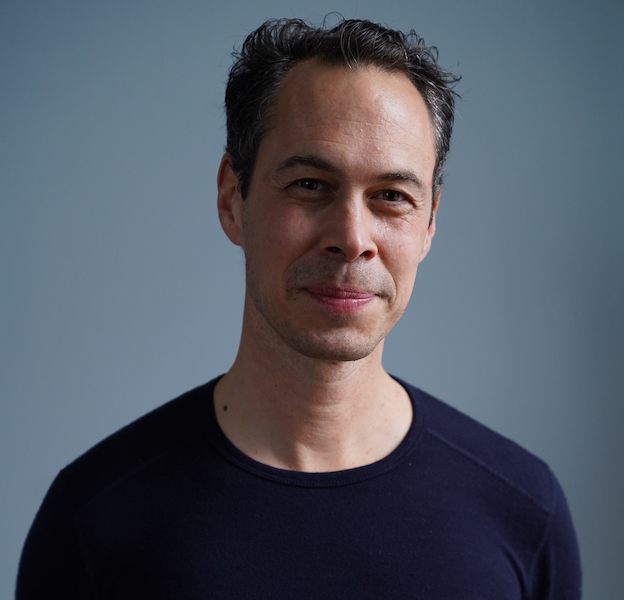
Prof. Dr. Charles Heller
Project Lead
Charles Heller is SNF Professor at the Department of Social Anthropology of the University of Bern where he is leading the “Circumference of Violence research” SNF Starting Grant project (2024-2028) and Director of Research within the Border Forensics investigation agency. He is further affiliated to the University of Bristol as Research Associate. He is a board member of the Mobility & Politics book series and was co-president of the Migreurop network between 2019-2023.
charles.heller@unibe.ch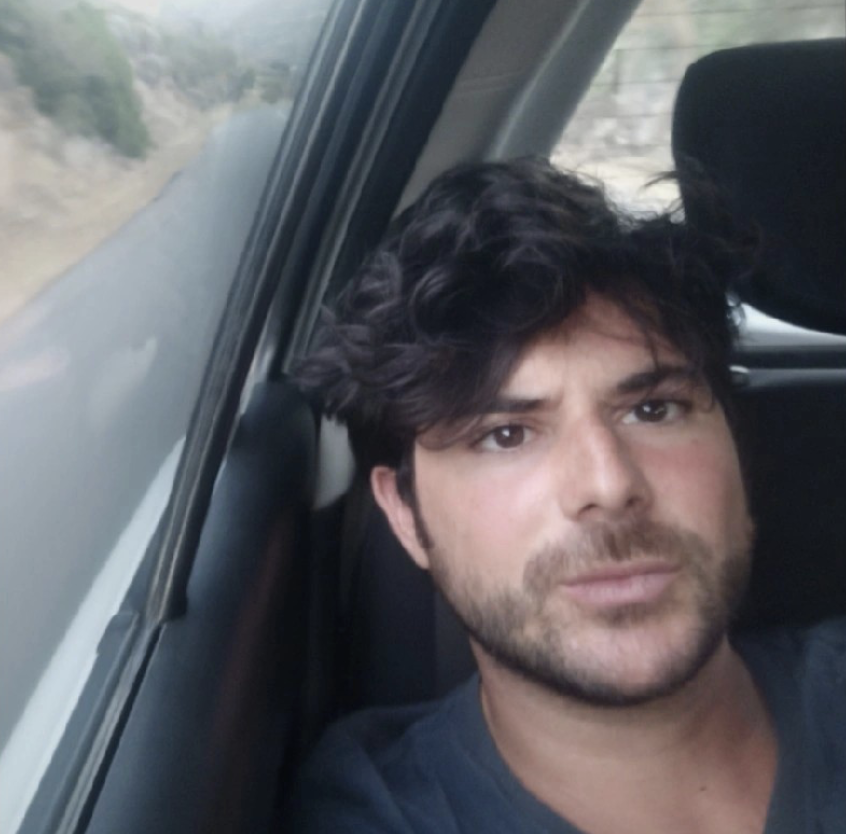
Alessandro Mangione
Doctoral student
Alessandro Mangione is a PhD researcher within the Circumference of Violence project examining how the logics of war shape contemporary polices and practices of border enforcement shape spaces, reworking collectivities, and enable the normalization of violence. His work looks at how practices associated with militaries become embedded in the governance of migration, turning borders into sites where control, conflict, and everyday harm intersect. His current research focuses on the Belarus/Polish border. His past research has focused on migrant conditions in Southern Italy, the Central Mediterranean, and along the Balkan route. Before starting his doctorate, Alessandro worked extensively in analysis and advocacy with Doctors Without Borders (Médecins Sans Frontières), with experience in contexts of intense border violence at Europe’s land and sea borders and in regions affected by conflict and mass displacement across Asia and Africa. His research is grounded in long-term field engagement and a critical concern with the political and human consequences of increasingly militarized borders.
alessandro.mangione@unibe.ch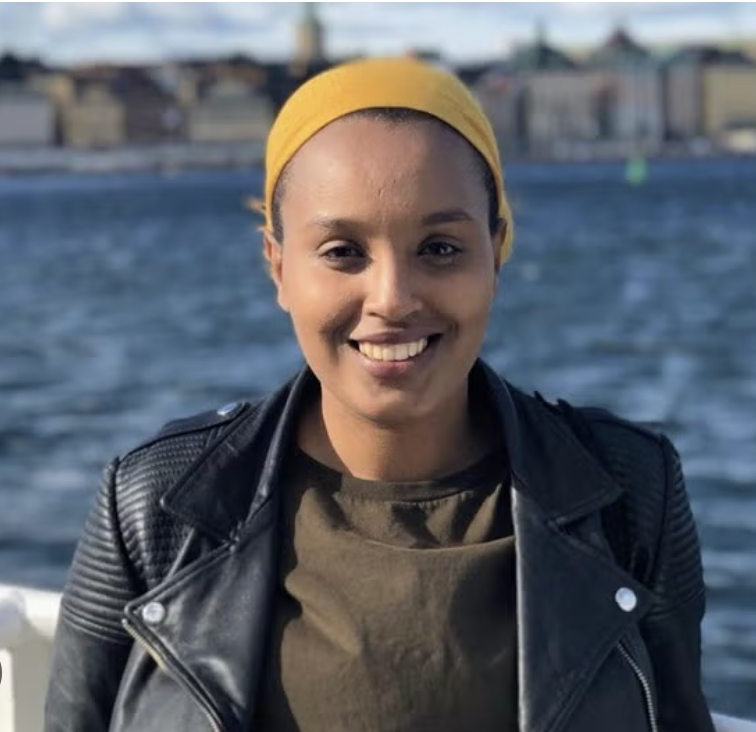
Reem Mussa
Research fellow
Reem Mussa is an independent researcher and consultant working at the intersection of humanitarianism, health, legal analysis, migration and technology. She is a Research Fellow with the Circumference of Violence Project at the University of Bern, a lecturer at Sciences Po in Paris on humanitarianism, migration and ethics, and previously held roles in advocacy and analysis at Médecins Sans Frontières (MSF), including leading MSF’s Forced Migration Team. Reem is a Member of the Lancet Migration Europe Hub, a Strategic Advisor to the Racial Justice Center in Australia, as well as a Board Member of MSF.
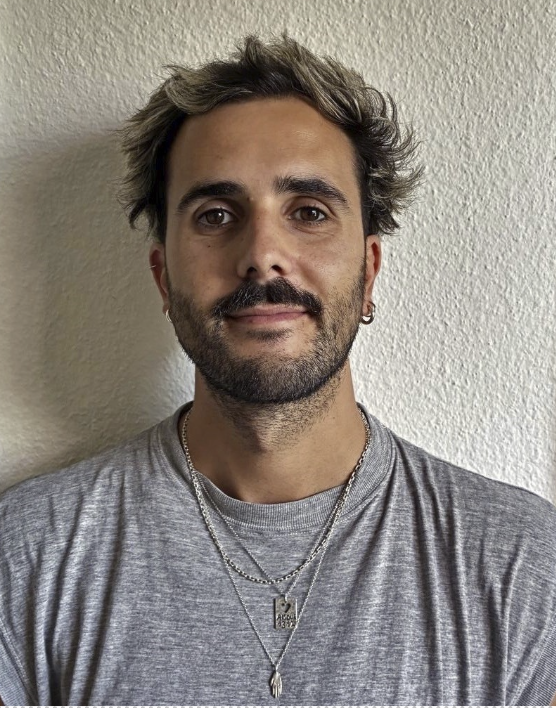
Stanislas Hugo Werner Michel,
Data scientist
tanislas Michel is a geospatial analyst within Border Forensics and data scientist within the Circumference of Violence project. His work combines quantitative and qualitative methods to identify, document, and interpret patterns of violence produced by contemporary border regimes. He develops statistical, spatial, and visual counter-forensic techniques to investigate deaths, disappearances, and other forms of harm at and beyond borders. His approach treats statistics not as neutral descriptors but as tactical tools that can be mobilised critically against state narratives, transforming data into instruments of accountability and resistance. This counter-forensics practice operates at the intersection of human rights work, research, technology, art, and architecture, supporting struggles for truth and justice while challenging state opacity.
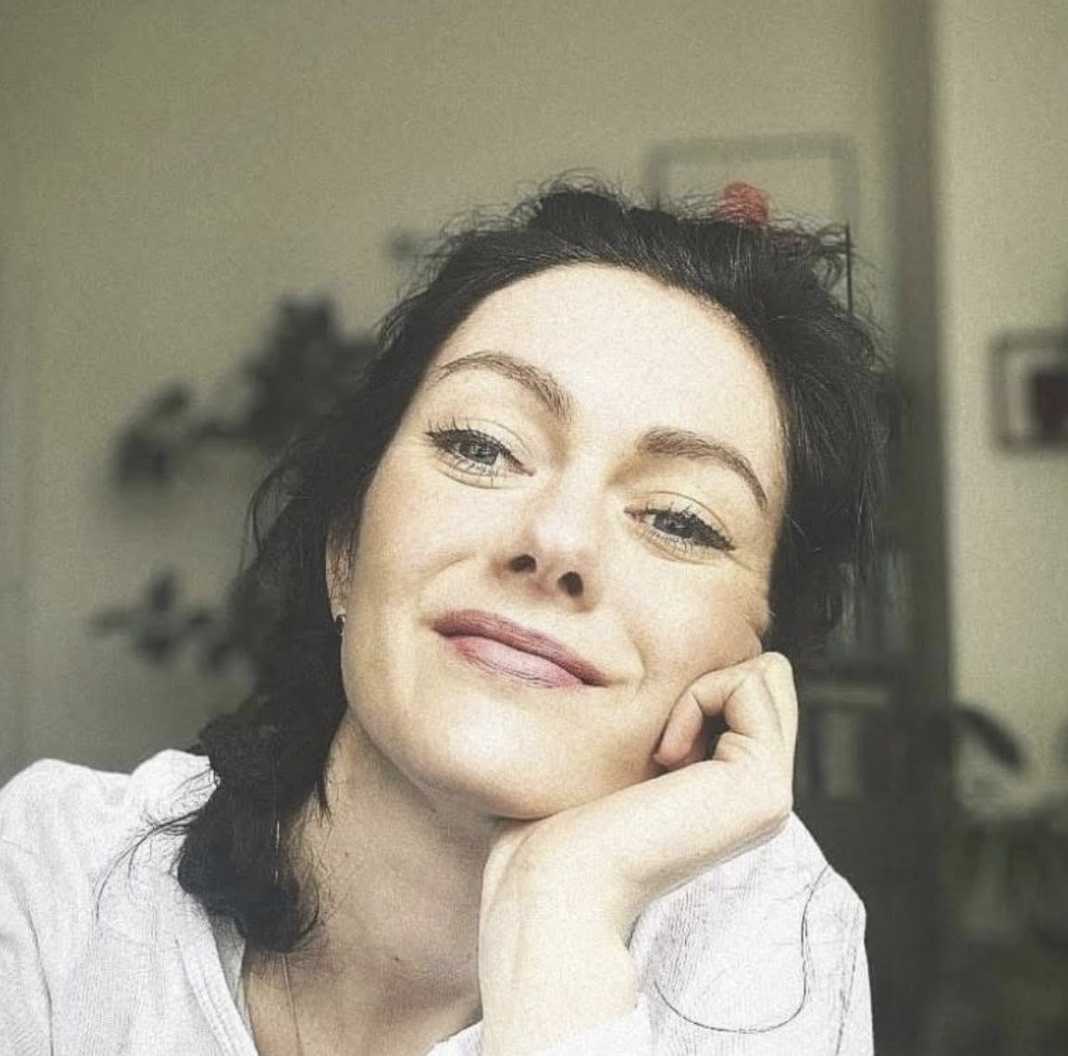
Katarzyna Czarnota
Fieldwork coordinator Poland and research fellow
Katarzyna Czarnota is a sociologist and Research Fellow within the CoV project at the University of Bern, a member of Border Forensics, and a researcher collaborating with the Helsinki Foundation for Human Rights (PL). She studied sociology at Adam Mickiewicz University in Poznań, including a doctoral research stay at Aristotle University of Thessaloniki. Her work combines critical sociology, migration and border studies, artistic research, and critical forensic investigation, focusing on state violence, racialisation, and the politics of knowledge production. Her methodological approach developed through long-term engagement with grassroots movements, independent research collectives, and academia, beginning with collaborative research and counter-mapping of urban space and socio-political conflicts. Since 2009, she has examined how state practices produce spaces of exclusion and invisibility, from segregated urban settlements to border zones. Since 2015, her work has increasingly focused on forced migration and border regimes. Since 2021, her research has focused on the Polish–Belarusian border, and since 2023 she has extended this work into critical forensic investigation. Within CoV, she coordinates field research and develops critical forensic and spatial methods for investigating indirect state violence, particularly reconstructing migrant deaths and disappearances. She also teaches Romanian Roma migration at Adam Mickiewicz University.
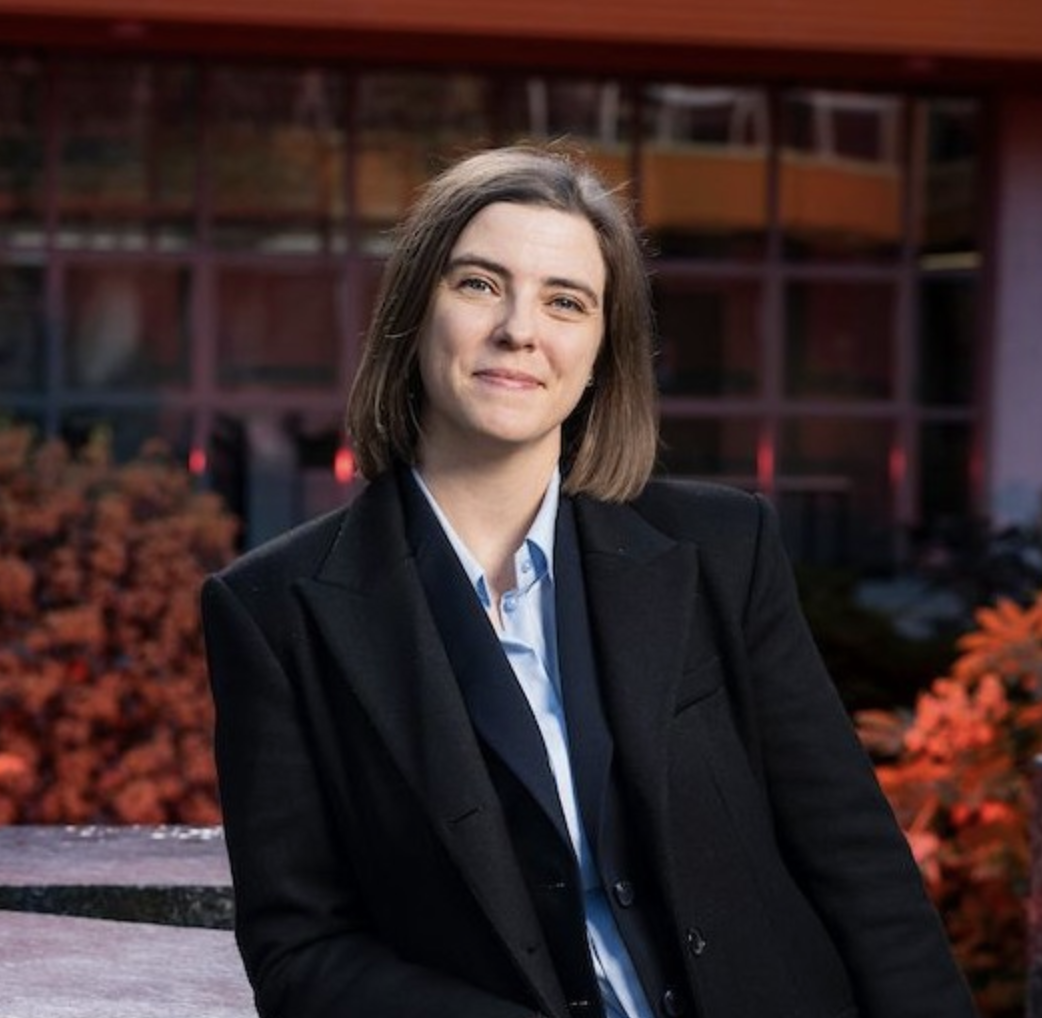
Dr. Maja Lysienia
Postdoctoral research fellow
Maja Lysienia specializes in international and EU human rights and migration/asylum law. She graduated from the University of Warsaw (MA) and University of Zurich (PhD, summa cum laude), and conducted interdisciplinary research at the University of Lausanne and University of Applied Sciences Western Switzerland (nccr-on the move). She is a President of the Board of the Swiss Network of young Migration Scholars (SNyMS) and a Board Member of the of the Swiss Association of Migration and Mobility Studies (SAMMS). She has collaborated with diverse non-governmental and international organisations, including Association for Legal Intervention, AsyLex, European Council on Refugees and Exiles and UNHCR.

Dr. Peter Teunissen
Research coordinator and postdoctoral research fellow
Peter Teunissen is a Postdoctoral Fellow and Research Coordinator within the Circumference of Violence project. He is an interdisciplinary border scholar working at the intersection of open-source investigations (OSINT), ethnography, and visual analysis, with a growing focus on critical forensic methods. He completed his Ph.D. at Freie Universität Berlin and the University of Porto in 2023, where he studied how historical and imperial legacies of the Evros/Meriç River have shaped mobility regimes. His current research examines mobility, infrastructures, and borders, investigating how the entanglement of landscapes, geophysical elements, and infrastructure functions as border technologies, shaping migrant trajectories and their exposure to violence and harm. This work traces how such entanglements are historically produced, and how the violence they generate at, through, and within bordered spaces is mediated, obscured, and contested. Through collaborations with civil society actors, his work has engaged in forms of knowledge production that intervene in how border violence is documented, interpreted, and contested. More at www.infranature.org.
peter.teunissen@unibe.ch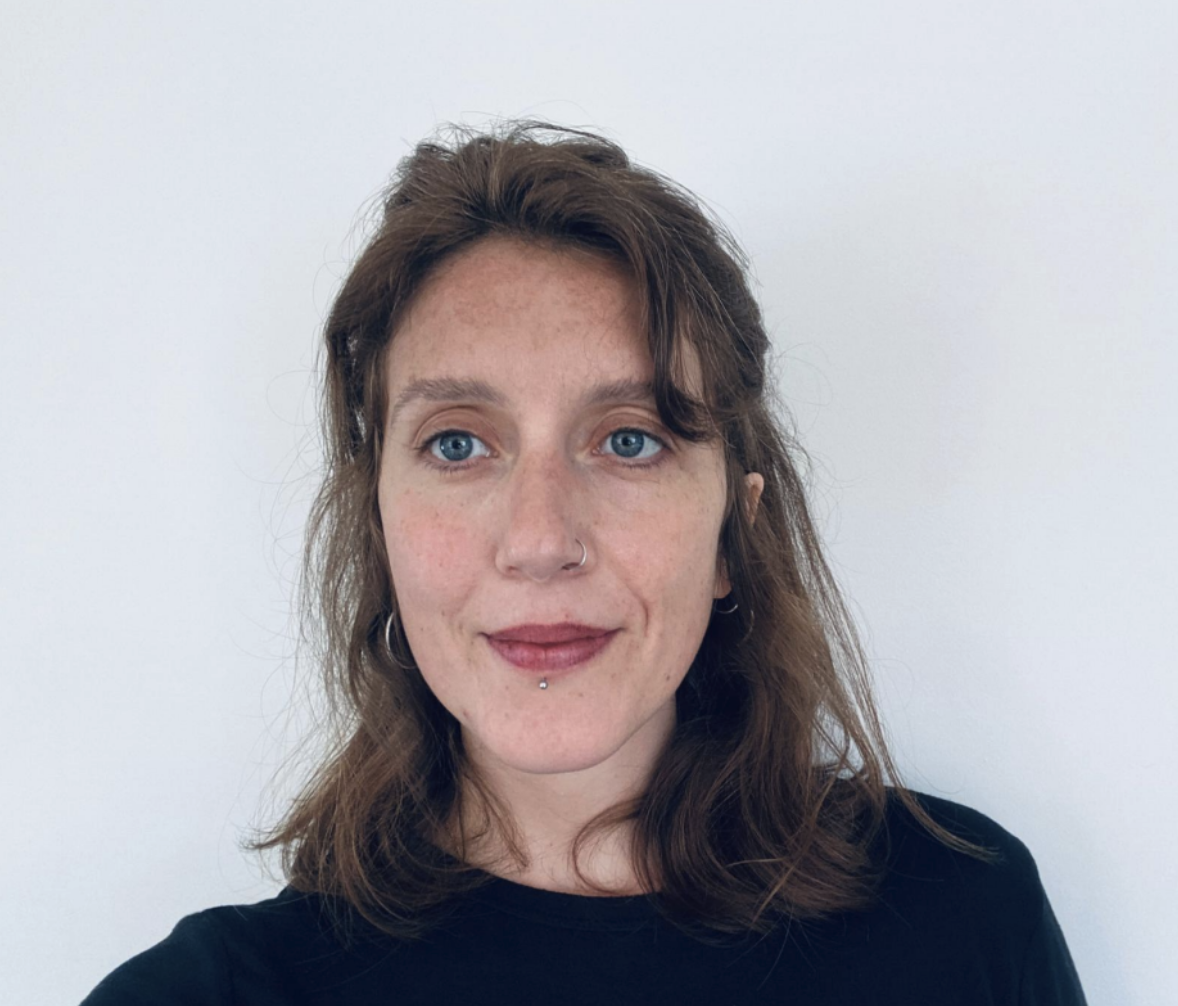
Dr. Roberta Gentili
Research fellow
Roberta Gentili is a political geographer and activist working on border violence, border infrastructures, and camp geographies on the Balkan Route. She holds a PhD from the University of Bologna, where she conducted her research within the ERC project The GAME, focusing on the production of (im)mobility along the Bosnia–Croatia border. Her work draws on political geography, critical border studies, and migration studies to explore how borders materialise beyond territorial lines through formal and informal camps, practices of containment, and infrastructures of (im)mobility. Her research is grounded in long-term engagement and fieldwork in Bosnia and Herzegovina and Croatia, where she lived for several years and collaborated with local organisations and activist initiatives supporting people on the move. Alongside her academic work, Roberta has been involved in documenting pushbacks and state violence. She was previously part of the Border Violence Monitoring Network and is currently part of solidarity networks in Croatia. Bringing together research and activism, her practice is committed to forms of solidarity and knowledge production that challenge dominant border narratives and contest the violence of European border regimes.